
This week: We’re rejecting newness as a symbol of status. We’re choosing substance over marketing. And we’re building lives around what we actually own, wear, and read.
Is 2026 shaping up to be ‘The Year of Intention’?
As we move into 2026, the cultural conversation is shifting toward depth, ownership, intentionality, and a deliberately collected life. Fashion is moving away from fast-fashion trends. Interior designers are rejecting sterile minimalism. Skincare is abandoning "clean beauty" marketing in favor of clinical efficacy. And everywhere, people are rejecting subscriptions and algorithms in favor of things they actually own.
I don’t think this is a trend, it feels like a reset. And it looks like the world is finally catching up to what the Collected Wardrobe movement has been saying all along: restriction as virtue is exhausting. Authenticity and ownership are real.
Here is what we are paying attention to as we step into the New Year.
The "Collected Not Curated" Interior Reset
For the past decade, minimalism has promised us peace through emptiness. Instead, we got cold rooms that looked expensive but felt like showrooms.
Designers are signaling that 2026 is the year we stop pretending that sterility equals sophistication. What we are seeing instead is a return to interiors that feel gathered over time: pattern-on-pattern layering, warm materials, vintage as foundation (not accent), and moody color palettes that actually make a space feel like someone lives there.
The vibe is shifting to collected, not curated. Lived-in, not staged.
The Real-Life Edit: This means embracing tactile richness. Mixing metals intentionally (brass next to polished nickel). Pairing contemporary pieces with inherited furniture. Allowing your spaces to tell the story of how you actually live, not how you want to photograph.
Why It Works: When a room has history baked into it, the pressure to keep it "perfect" disappears. A stain on a vintage rug? Evidence of use. Furniture in different finishes? Intentional eclecticism. Rooms designed this way feel permission-giving. They invite you to live in them.
Founder's Note: Ten years ago, my home was a white and gray homage to minimalism. Matching rugs, coordinated furniture sets, minimal accents and restricted color pallets. In the last decade, that sterility has slowly given way to homemade art, vintage candle sticks, antique sideboards, record collections, and a mix of both inherited and new furniture. What I have now is a home, with a life and story behind each and every piece. Not a showroom meticulously curated by an interior designer. And I couldn’t be happier.
Quiet Luxury Is Finally ‘Quiet’?
The adoption of "quiet luxury" by every YouTube creator and TikTok influencer was inevitable. What we find unexpected is the pushback.
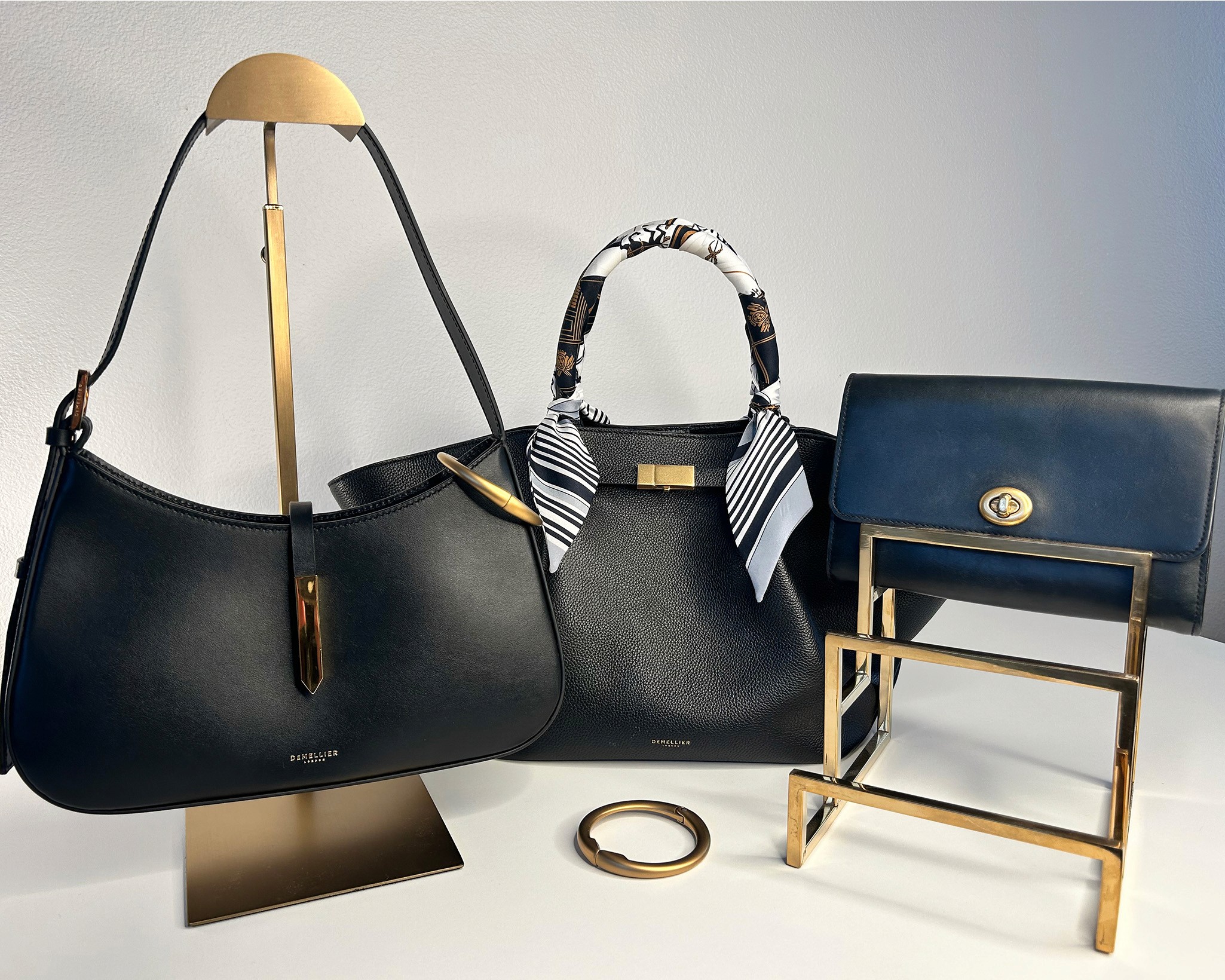
As we move into 2026, we think actual quiet luxury looks much different than it did in 2023. Now it’s not about being seen as wealthy. It’s about refusing to be marketed to. Low quality ‘designer’ labels are being rejected in favor of high-quality mid-range pieces. There is a growing appetite to choose pieces for durability and efficacy, over labels and trends.
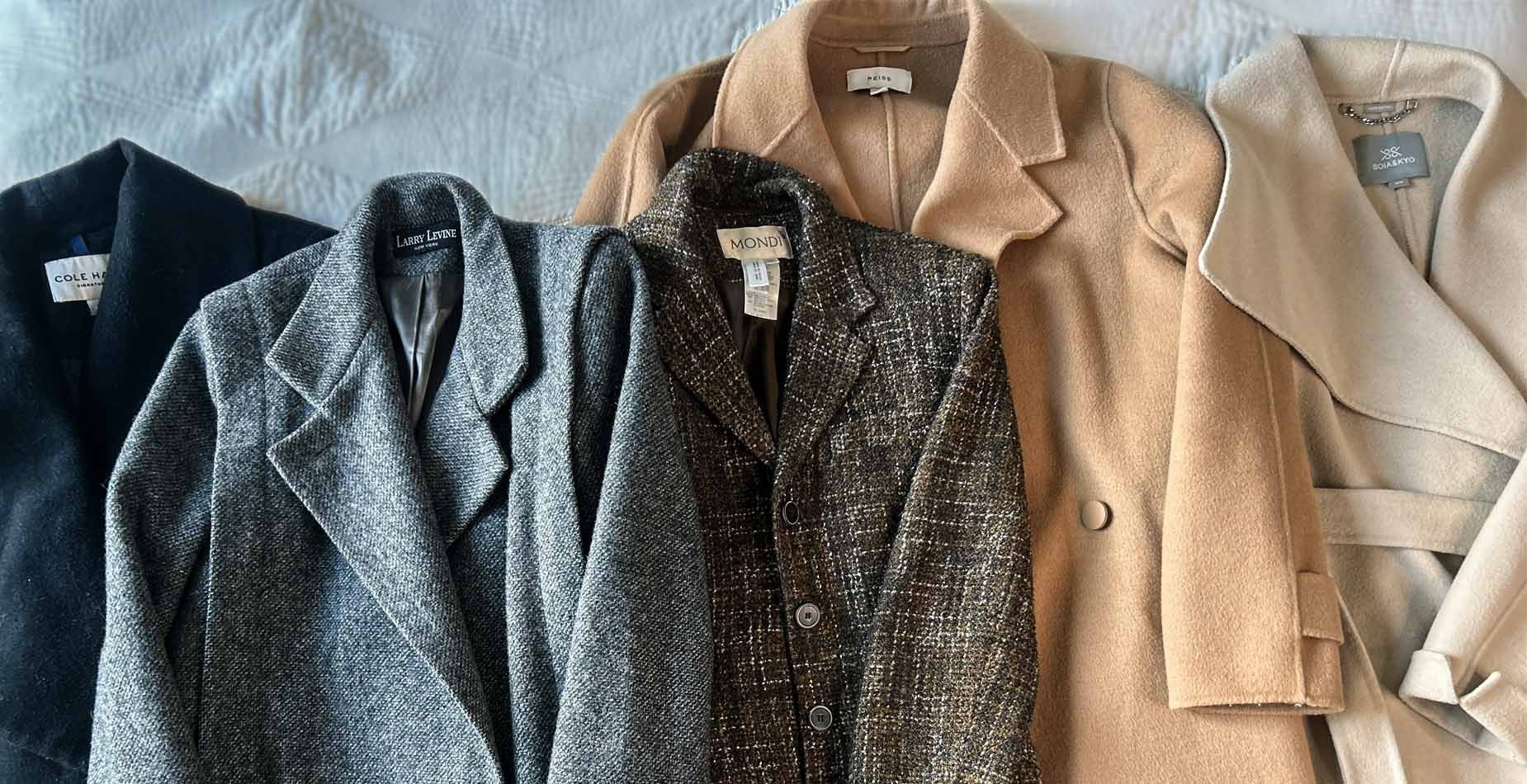
The Real-Life Edit: Invest in pieces made to last. Wear good leather until it creases and cracks. Curate a wardrobe by caring for your clothes and letting them age rather than donating them after a season or two. The point is that the pieces you invest in should be worth aging.
Why It Works: When you stop chasing trends, you get quiet. Not the quiet of emptiness, but the quiet of confidence. You wear something because it works for your life, not because it works for an aesthetic. That distinction is everything.
Vintage As the New Baseline
This is the shift that matters most: secondhand is no longer the accent. It’s the new foundation.
Industry insiders are reporting that intentional wardrobes now begin with thrifted, inherited, or preloved pieces. Fashion forecasters describe this as moving "away from newness as status." Build a collection around what you find, not what you are sold.
This is both practical and profound. Practically, it means better pieces at lower cost. Profoundly, it means your wardrobe becomes a record of discovery, not consumption.
The Real-Life Edit: Before buying new, spend time searching. Estate sales, independent consignment shops, online resell platforms like Poshmark, family closets. Look for pieces that speak to you, not pieces that complete a formula. Build around finds, not an influencer’s “winter capsule wardrobe must have list”.
Why It Works: A thrifted Mondi sweater or vintage silk scarf costs a fraction of retail but carries the weight of actually mattering. It has survived decades. You chose it deliberately. That intentionality compounds over years in ways fast-fashion can never replicate.
Science-Backed Skincare (Goodbye "Clean Beauty")
"The "clean beauty" movement promised us purity. What it delivered was hype. For the past decade, parabens were demonized, silicones were "clogging pores," and ‘natural’ was always better. But women over 40 can't afford to waste time on botanical blends that feel luxurious but do nothing for fine lines or a compromised skin barrier.
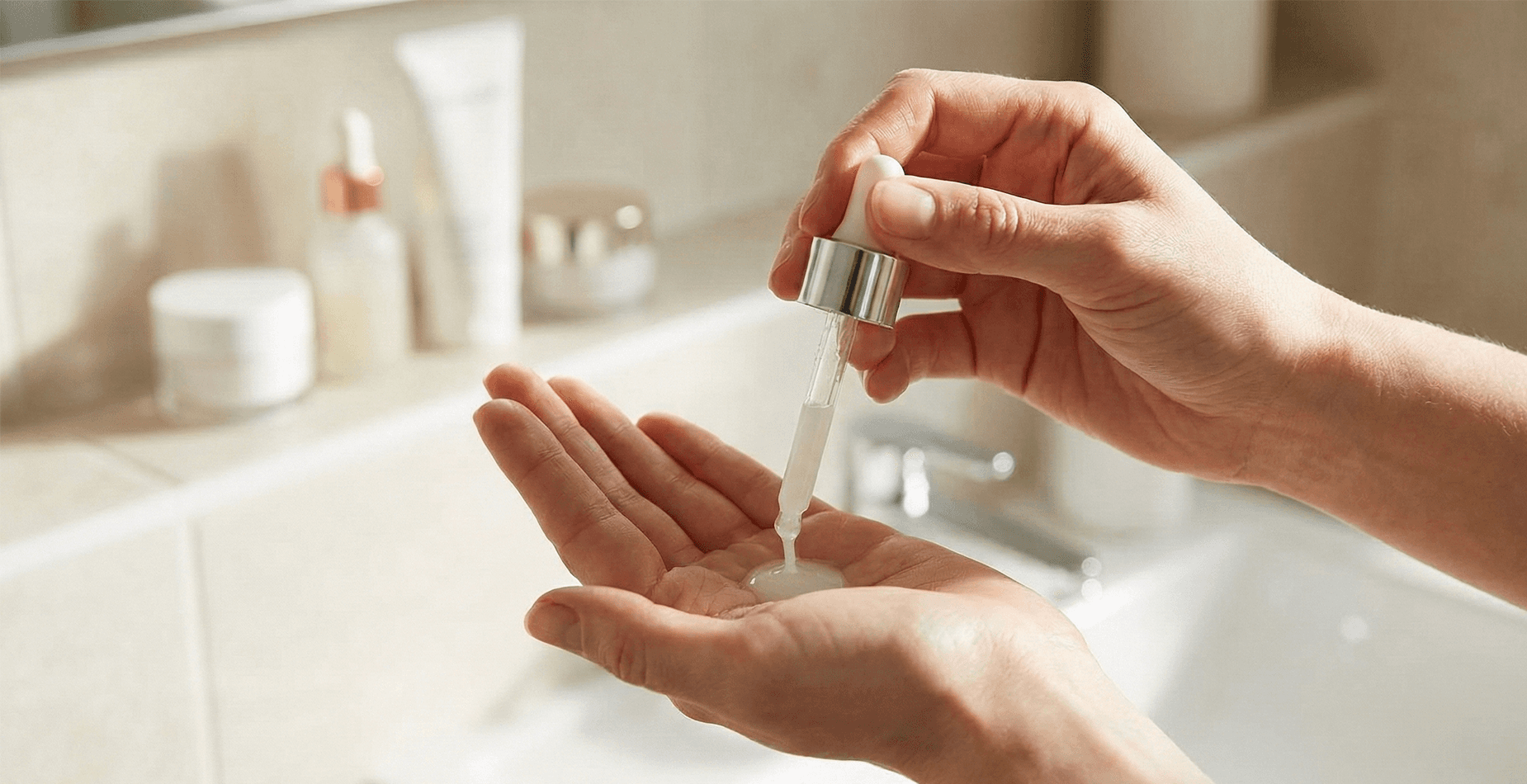
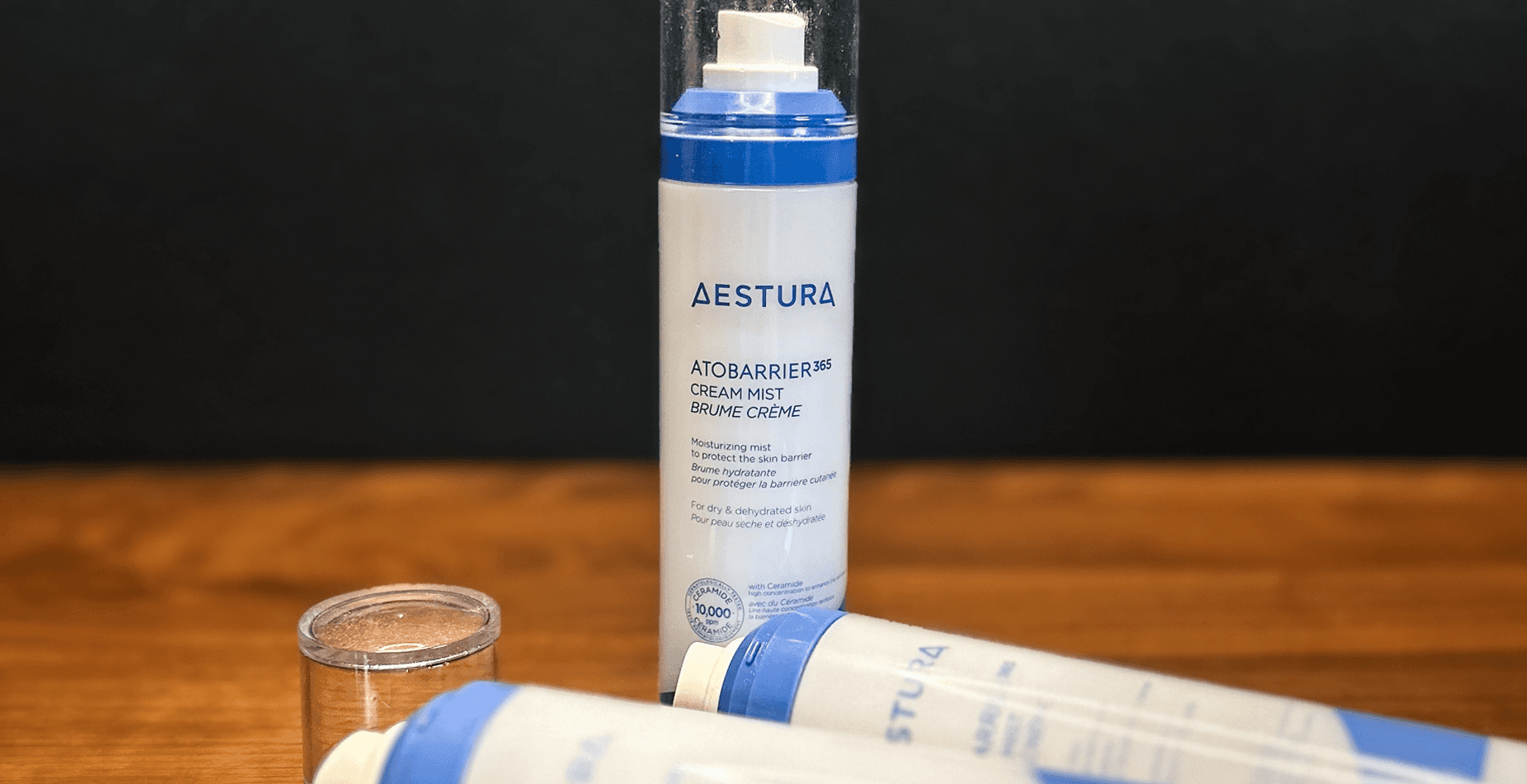
The conversation is shifting toward what actually works: formulations backed by real research, active ingredients with published data, concentrations based on evidence. Not "clean." Effective.
Founder's Note: Being a marketer in a highly-regulated industry means I apply different standards to skincare. I read the studies. I check sample sizes. I look at duration. And I realized most beauty brands operate in a completely different universe. That's when I stopped shopping by narrative and started shopping by evidence. The shift to 'science-backed' means the burden of proof is on the formula, not the story.
Next month's deep dive: We're breaking down the ingredients that actually work, the brands with real data, and why Korean skincare got this right from the start. Follow us on Instagram and stay up-to-date on all our latest Edits.
The Analog Revival
In an economy built on subscriptions and algorithms, ownership is becoming radical.
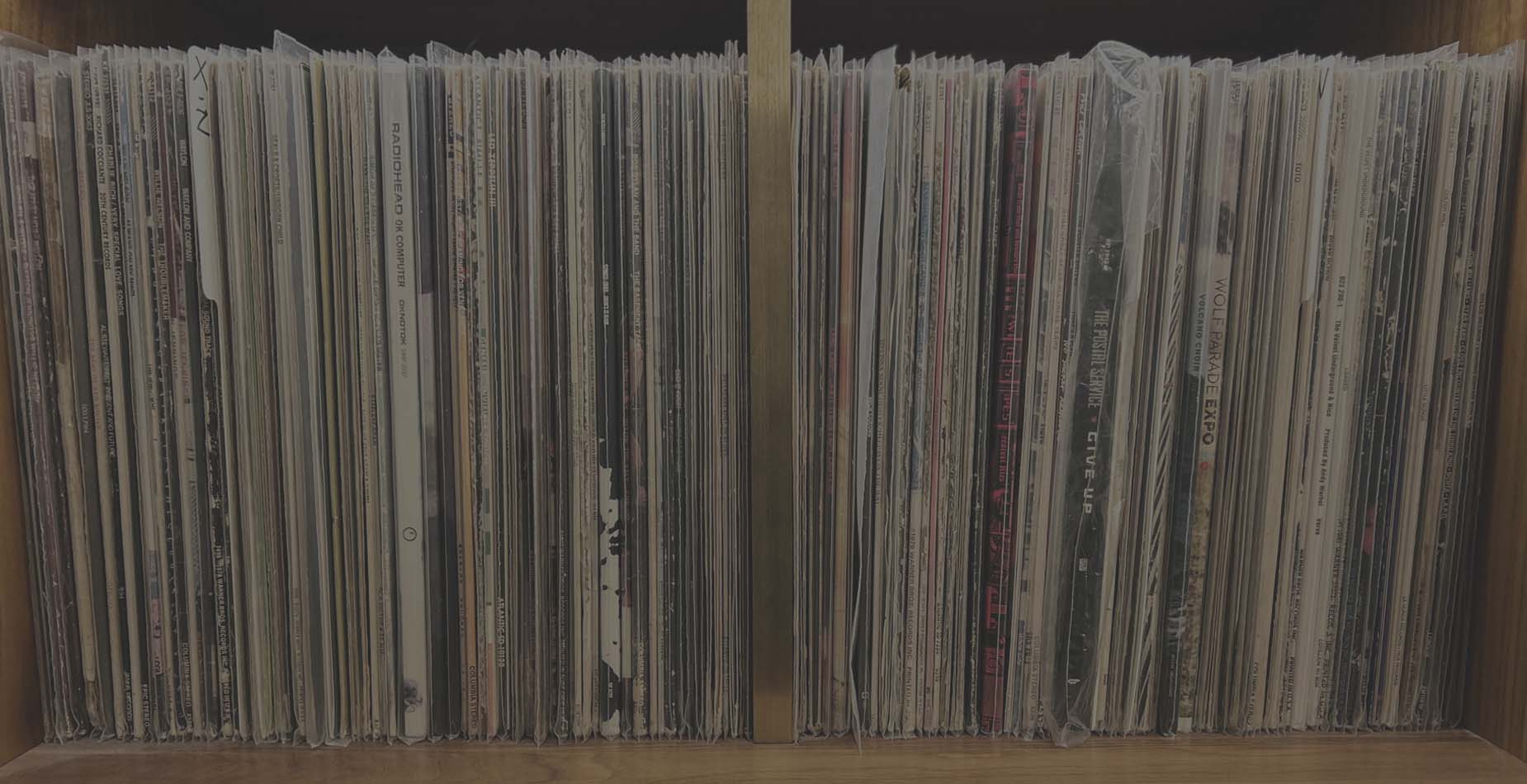
Vinyl sales are up 11% year-over-year. Physical books are outselling e-books globally. Print magazines are launching at the fastest rate in years. This is not nostalgia, it’s digital fatigue hitting a critical mass.
What people are saying, across generations, is this: I want to own something. I want to keep it. I want no one to take it away because a company changes its terms of service. I want to choose my listening journey, not let an algorithm choose it for me. I want to read without infinite scroll. I want pages that end, not content that never does.
The Real-Life Edit: Choose one thing to own instead of stream. It could be one vinyl record, a physical book, a print subscription. Commit to experiencing it fully instead of sampling everything.
Why It Works: Ownership creates ritual. You pull the record from the sleeve. You choose where to start. You finish one book before starting the next. These constraints actually allow for a depth that’s harder to achieve with endless options.
Founder's Note: My 20-year-old handed me a Barnes and Noble gift card for Christmas along with two physical books. She deleted TikTok. She prefers Substack for social discourse (yes, we have an account now). She's skeptical of AI and burned out on algorithmic endless-ness.
She's also notoriously quick to spot cultural shifts. Which means when her generation starts choosing ownership over access, the rest of us should pay attention. The analog revival isn't Gen Z being retro, they’re just tired of feeling like everything is designed to keep them scrolling.
A Parting Thought
We are entering a year defined by one very clear theme: “the rejection of the performative and the embrace of authenticity and intentionality.” We’re seeing a desire shift from more to better. Not forced or contrived, but collected.
The Collected Wardrobe is no longer a fringe philosophy. It is becoming the baseline for how people who think deeply actually dress, live, and consume.
Step into 2026 with this mindset: Does this feel collected or contrived? Do I own this or rent it? Is this built to last or designed to be replaced?
The answers will tell you whether something belongs in your life.
Head Over to Instagram
What are you collecting in 2026? A vintage coat? A vinyl record? A shelf of books? We want to hear what you are gathering this year. Tag us and show us your finds.
—
Affiliate Disclosure: We believe in transparency and only recommend products and services we genuinely use and love. Some links in this article may be affiliate links, meaning we may earn a small commission if you choose to purchase through them. This comes at no extra cost to you, and it helps us continue to provide curated, high-quality content for our community.
Behind the Edit
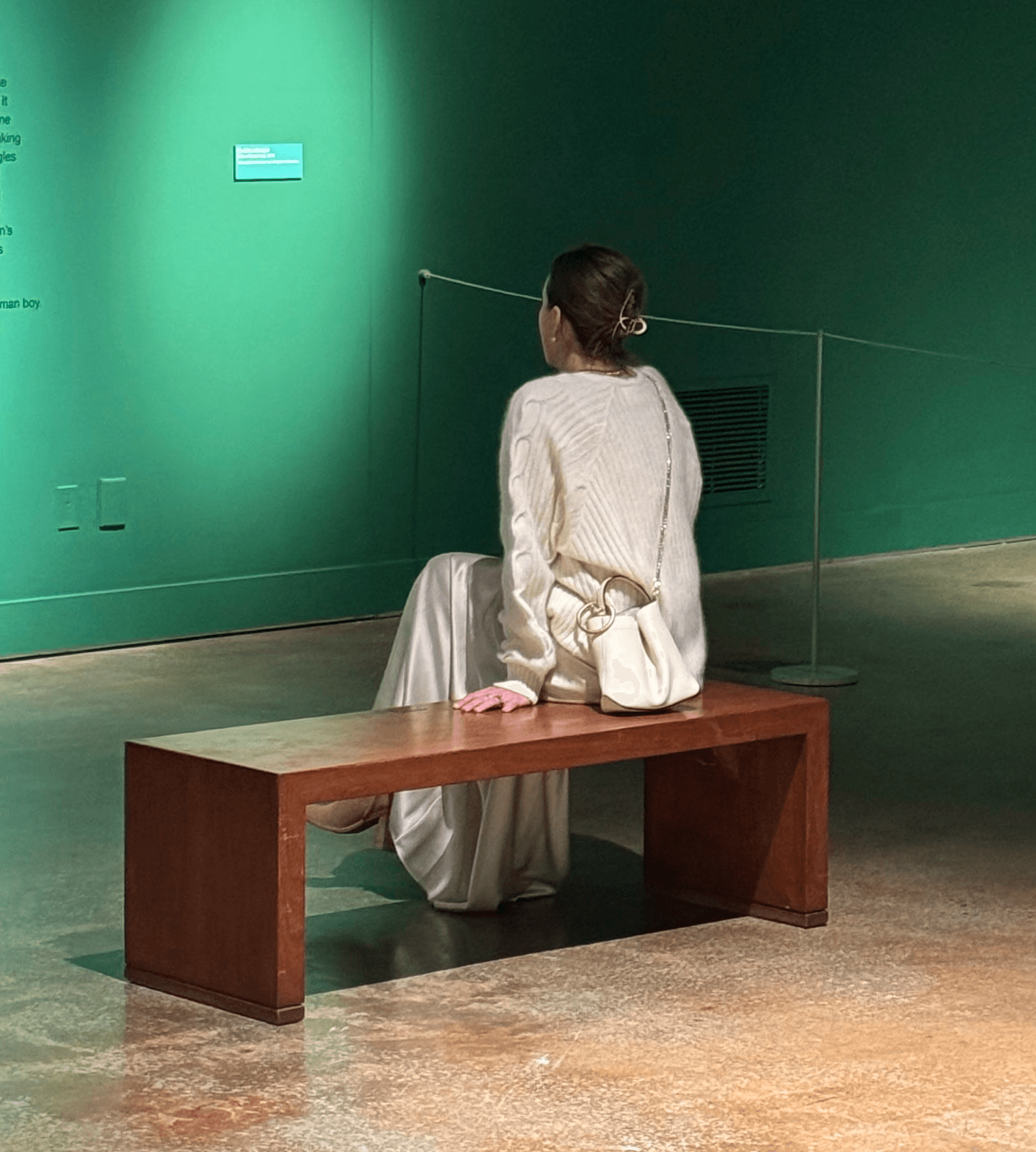
Filtering the noise so you don't have to. I use a no-nonsense lens to curate a 'collected' life for the woman who has outgrown the trend cycle.
Trending Edits

Stay up-to-date
Recent Edits
This week: We’re rejecting newness as a symbol of status. We’re choosing substance over marketing. And we’re building lives around what we actually own, wear, and read.
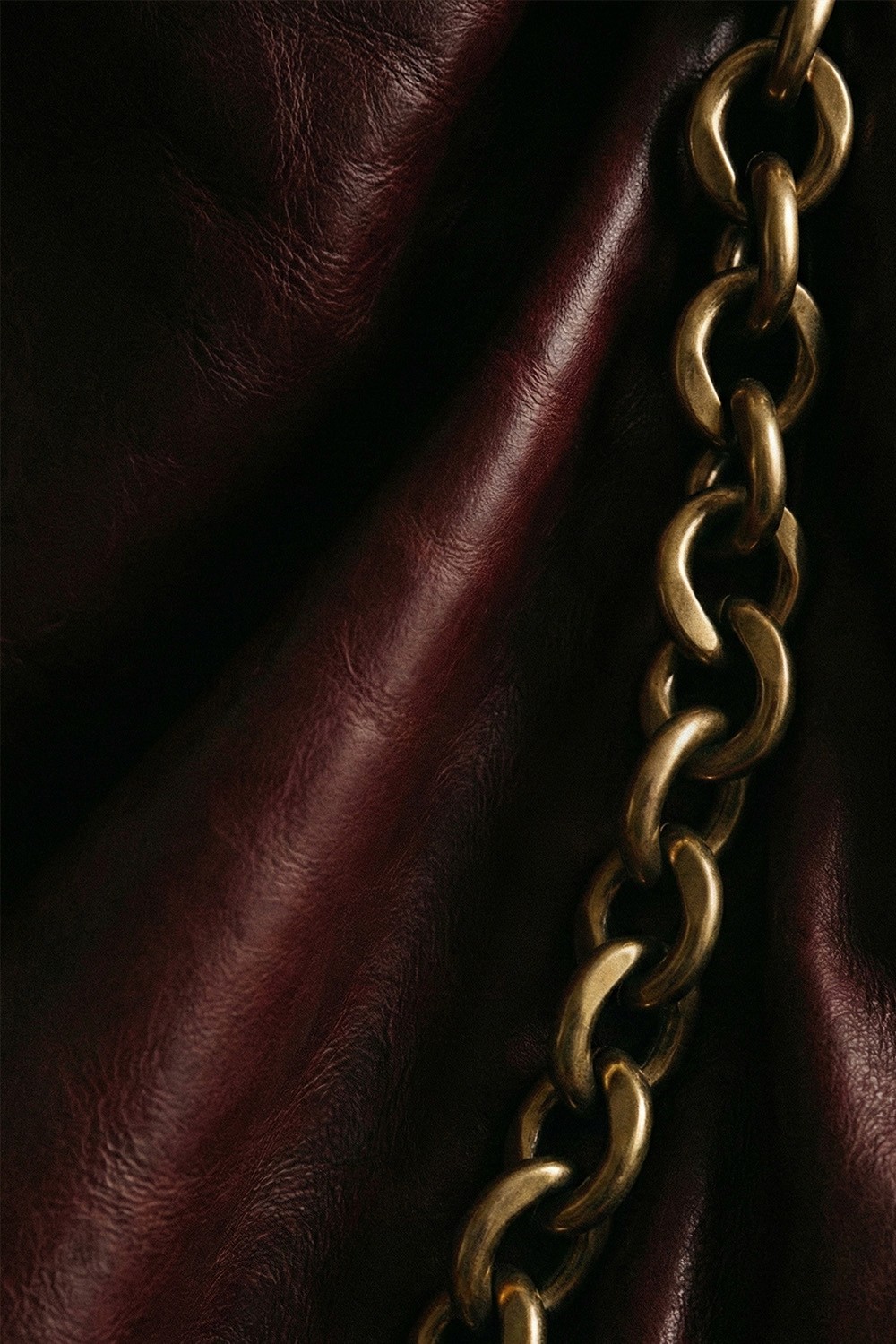
We explore the three defining shifts for the year ahead: the return of sculptural vintage hardware, the depth of "saturated earth" interiors, and why silence is the ultimate travel luxury.
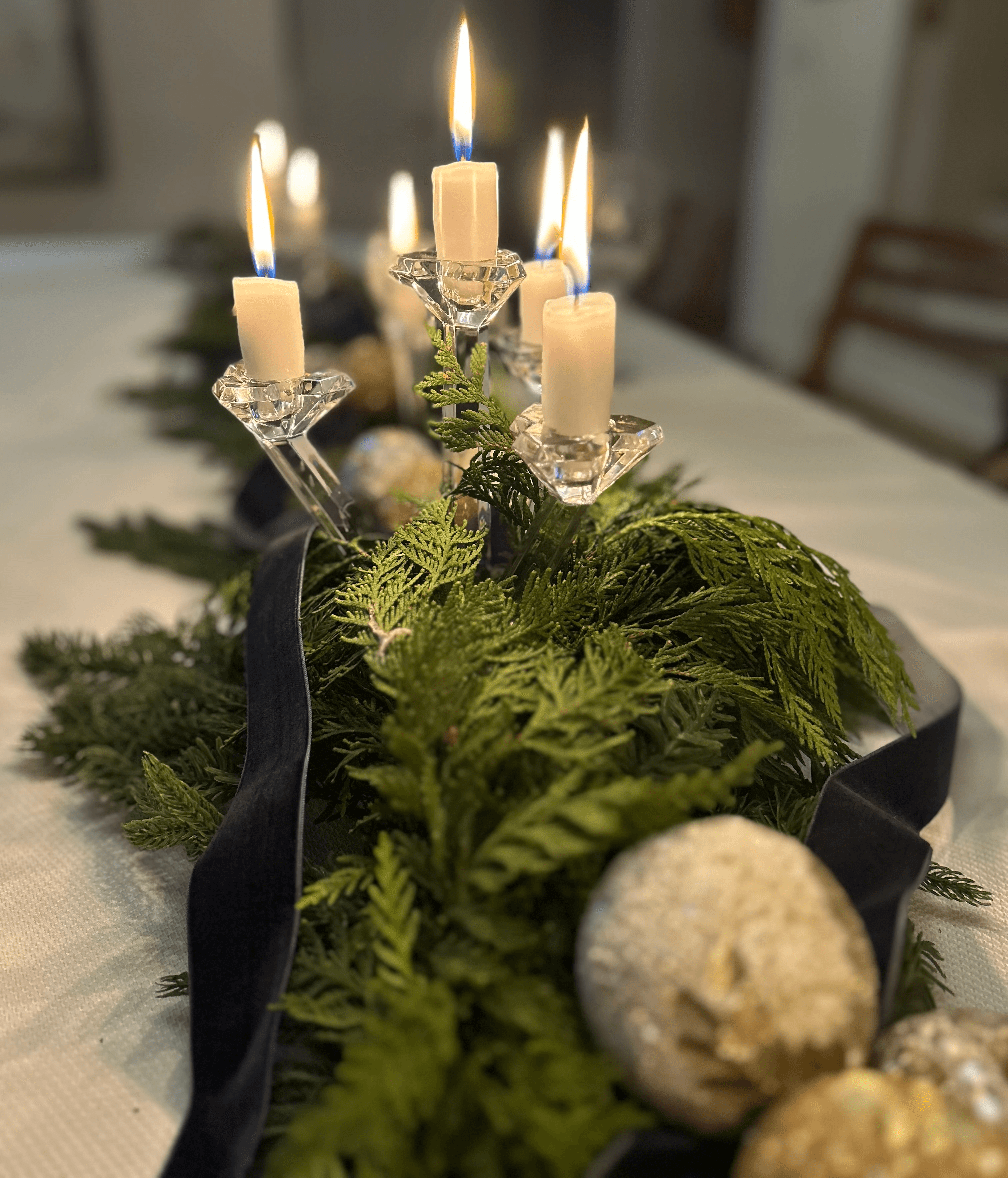
A cute candle isn't always a good candle. After a Thanksgiving disaster involving a discount store find, we went on a hunt for a taper that wouldn't ruin the linens. Here is the reliable, no-drip option we now trust for every occasion.
This week: We are apologizing to our skin barrier, rejecting early New Year’s resolutions, and brewing a meadow in a cup.